
How Does DNA Testing Help in Human Remains Identification?
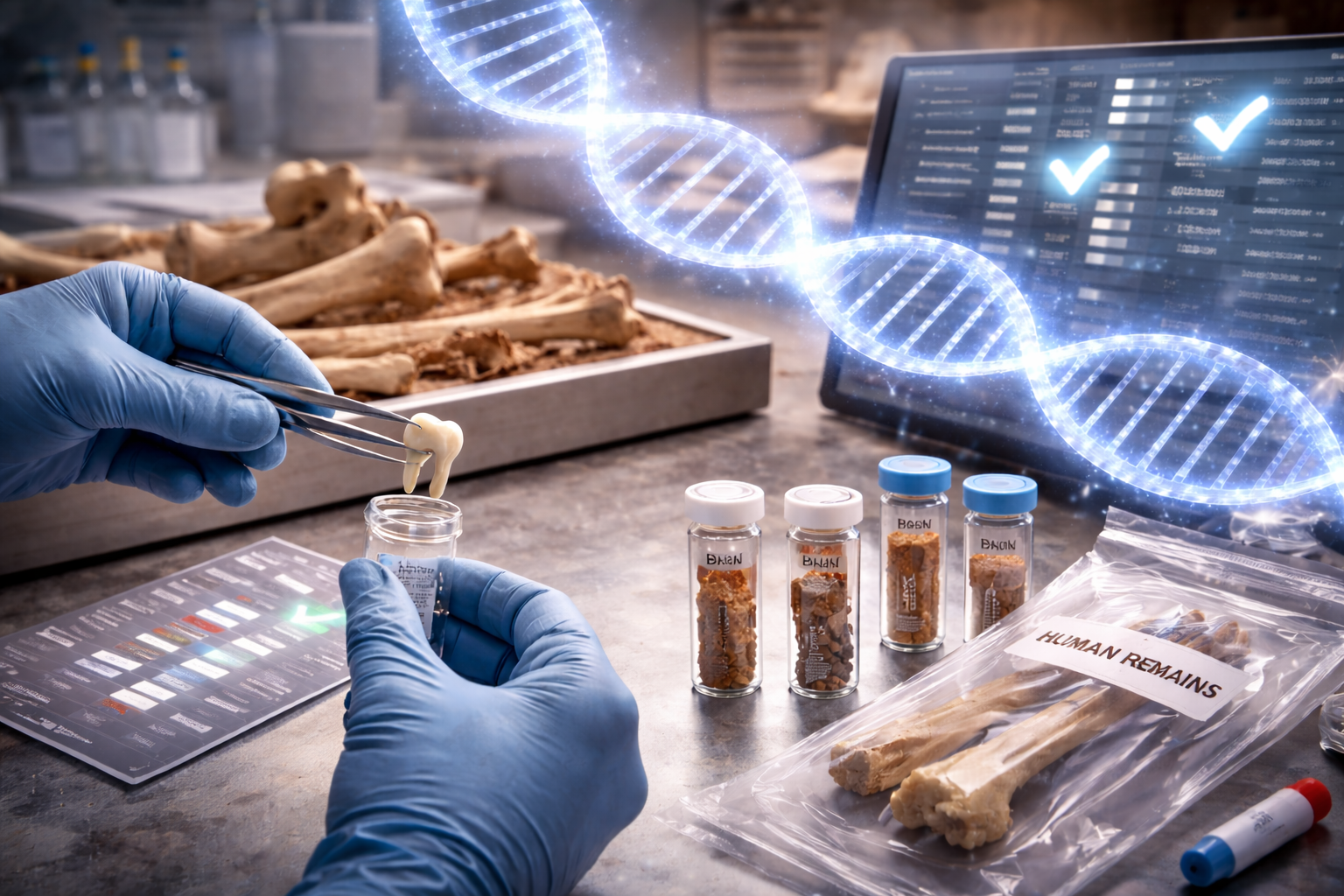
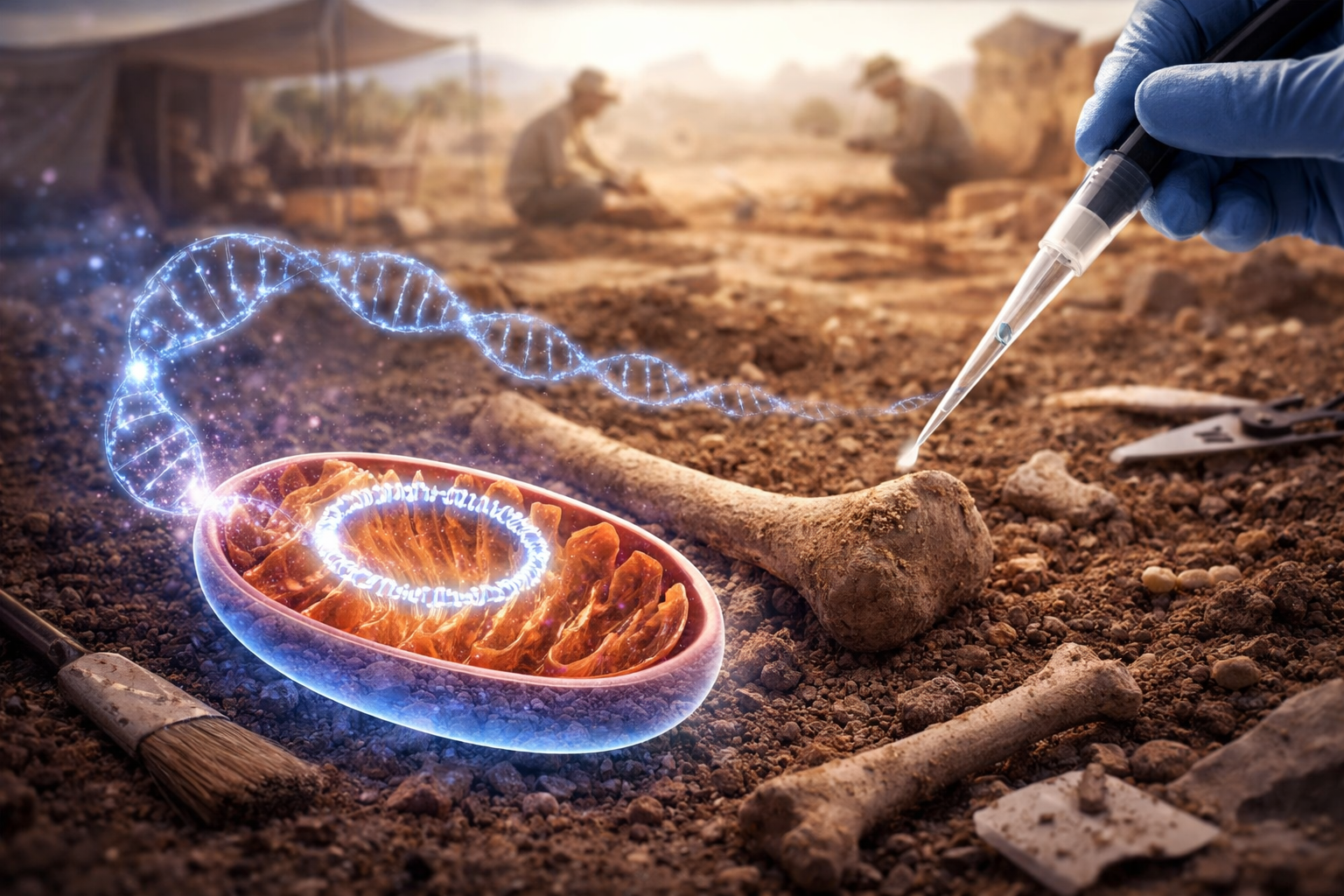
Human remains identification is an area where science meets humanitarian need, offering closure to families and critical answers in forensic investigations.
+234 703 909 5441 cts@ctsng.com 1675 Tunde Idiagbon Street, Abuja, Nigeria
HomeDNAnews
Human remains identification is an area where science meets humanitarian need, offering closure to families and critical answers in forensic investigations.
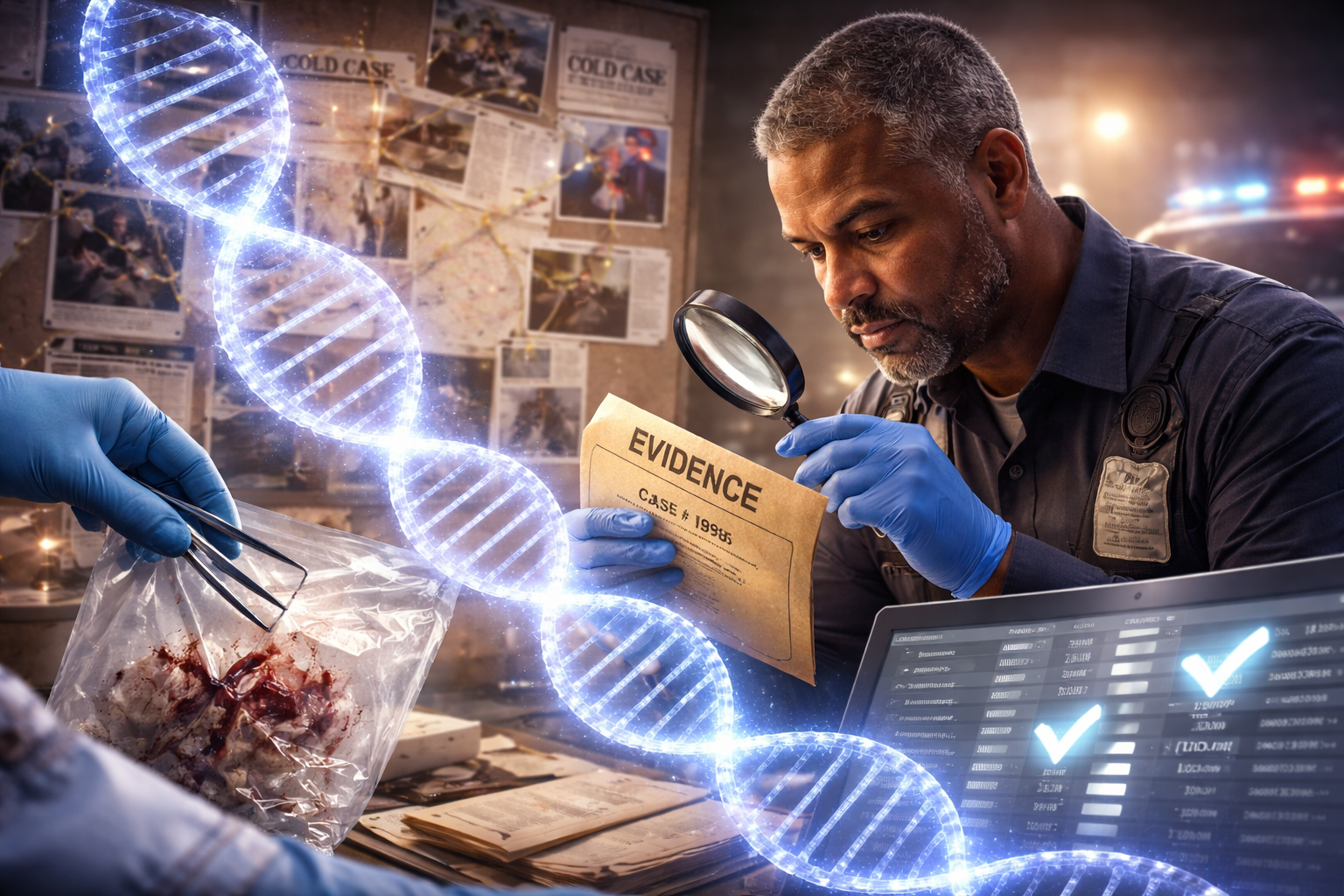
Cold cases represent some of law enforcement’s biggest challenges. But advances in DNA technology are giving investigators powerful tools to solve them.
Paternity testing is one of the most requested and impactful uses of DNA technology but what makes it so important, and how does it help?
Extracting information from degraded genetic material is a tremendous challenge. When nuclear DNA is not usable, scientists will turn to mitochondrial DNA.
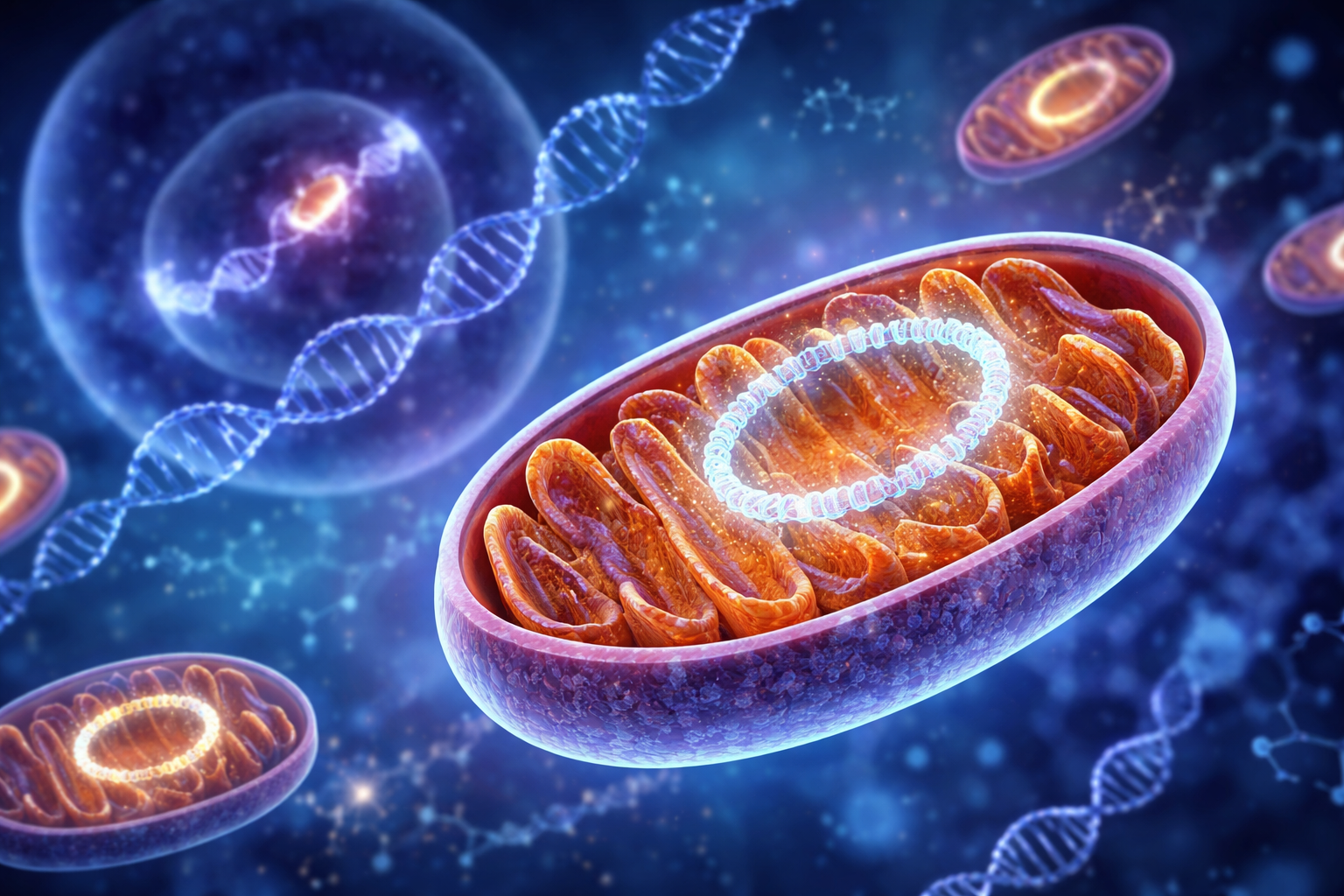
Mitochondrial DNA (mtDNA) is increasingly becoming a powerful tool in human identification, especially when nuclear DNA is degraded or unavailable.
One common question we receive is "Can paternity be determined if the alleged father is unavailable or unwilling to participate in testing?" The answer is yes.
In a world driven by data, your DNA may hold the most personalized nutrition guide you’ll ever need, nutrigenomics is reshaping how we think about health and wellness.
For decades, scientists have known that genes play a vital role in shaping who we are, but recent discoveries in epigenetics reveal a more dynamic picture.
Non-Invasive Pre-natal Paternity Testing is an increasingly popular and minimally invasive cutting-edge DNA test that determines whether a man is the biological father of a fetus — with no risk to the mother or the unborn child.